Rick is home from 10 days straight of hunting in the Uncompahgre national forest, north of the San Juan mountains with his uncle. When he planned this trip, I sort of imagined that since I’d be alone in the evenings, after the kids went to bed, I’d have plenty of quiet, uninterrupted time to sit and write blog posts. Boy was I wrong. By the time I got dinner made (and to tell the truth I ordered both a pizza and Chinese take-out this week), got the boys in bed and the dishes done each night, I was wiped out. I played single mom to three kids, and I don’t know how the military wives and real single mothers do it. Hats off to all of you!
I had started this post before Rick left, and since this trip concludes four straight weekends of hunting for our family, I had planned to do some hunting themed posts. I wanted to give updates on Rick’s trip as it happened, our hopes for the year’s meat and what strategies he used on the mountain. But in all honesty I didn’t have the gumption to get on the computer and type.
Now that Rick’s home, I hope to get back on track. You might even get some hunting morsels here and there as we process the game this week, if I can organize my thoughts to type it. In the mean time, here are the top five reasons (in no particular order) our family chooses game meat.

- Sustainability. In comparison to conventionally raised meat, wild game and the way it is harvested has very little impact on the earth. You don’t get venison or elk from a CAFO. Game is not polluting the land and waterways. It is unlawful to hunt with lead bullets, so there is not a concern of lead in the meat or on the land from hunters. Of course, it uses some gasoline to get up in the mountains, and we use plastic and paper or aluminum foil to package the meat in the freezer, but all of this is pretty much nothing compared to what it takes in those resources to get the same amount of commercially raised meat.
- Health. Game meat is lean and high in protein. It is antibiotic and hormone free. It’s organic and needs no certification. We know where it came from, how it was processed, what went into the sausage. Plus it’s tasty.
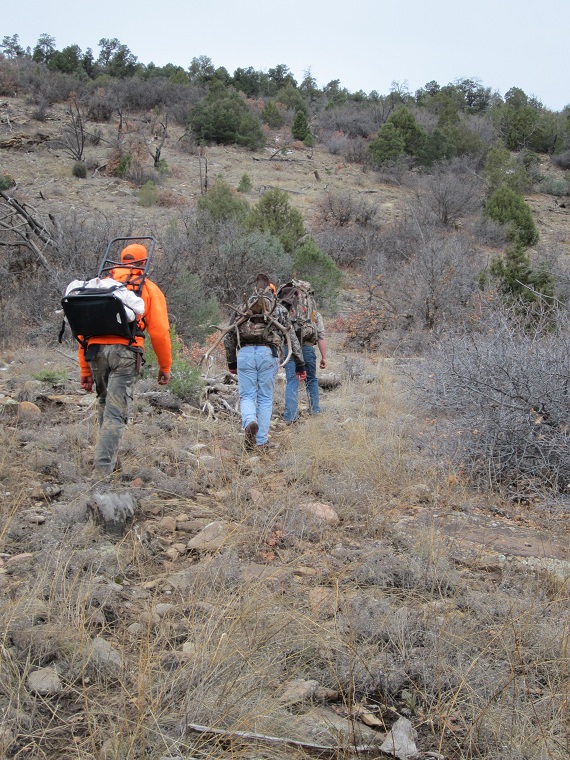
- Cost. Where else can you get 400 – 600 pounds of organic, grass-fed meat for the cost of a license, a tank of gas and two .30/06 bullets? We can eat very well for a year from one successful hunting trip. Butchering the meat ourselves saves us even more, and we get the cuts we want.
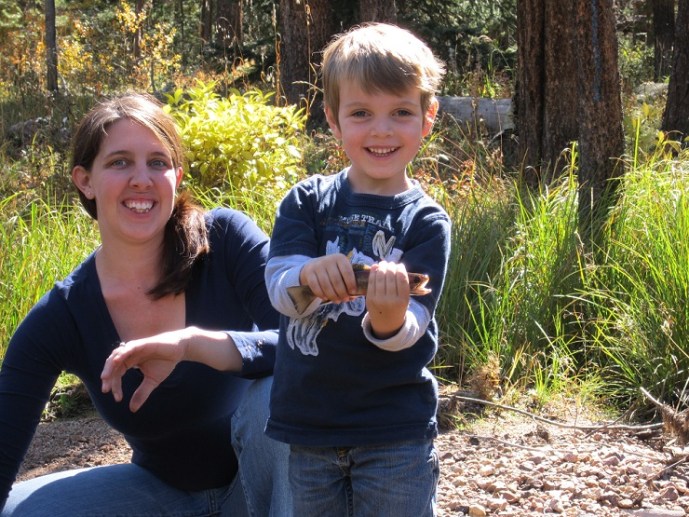
- Tradition. Rick and his brothers were taught to hunt by his grandfather and his uncles. He learned how to walk in the woods. How to track a deer. How to handle is gun safely. How to shoot an animal so he wouldn’t ruin the meat. How to skin it and butcher it. And he is teaching these things to his own sons.
- Connection. With the animal we’re consuming, the food chain, the earth, our creator, and each other. When we hike in the mountains, we feel a spiritual connection to the earth and God. As we walk logging roads looking for Dusky grouse with our boys, or when they watch us cut an elk into steaks, they understand where our food comes from. When Rick sits in a duck blind with his uncle or hikes a mountain with his brother, they grow closer.


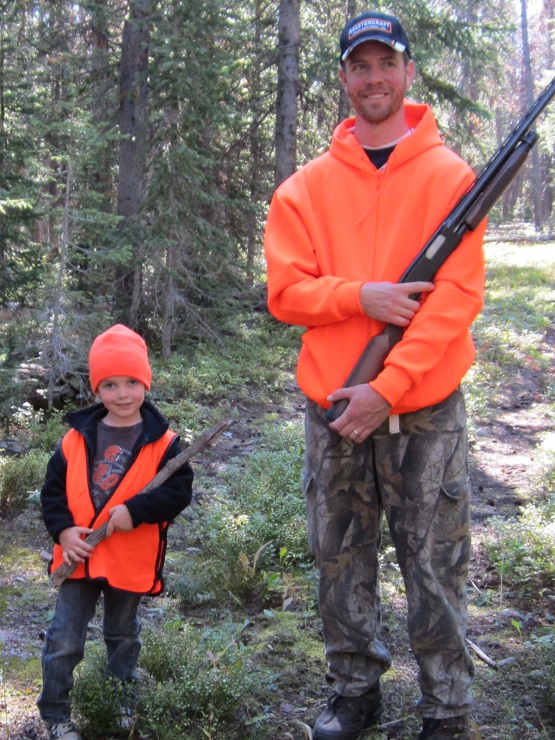
There are more reasons. Rick would probably modify this list, but this is what is important to me. Do you hunt? Why or why not? What value do you see in it?











 The Lazy Homesteader