About these ads

Posts Tagged With: DIY

DIY Pallet Compost Bin

This weekend Rick and I decided to move our compost bin.  Rick built it last year out of seven pallets he was able to scavenge.  I looked through all my old photos and posts and can only find a few random pictures with it in the background and no photos of its construction.  But that’s ok, because it wasn’t that great.

I mean it worked, we had two full wheel barrows full of compost (we put it in the neighbor’s garden), but the bin was poorly located, and too hard to move.  First off, we put it too close to the house.  It was really convenient for taking compost scraps to the bins from the kitchen, but it did attract some mice which wanted to move right in next door (in our house) when the weather turned chilly.

Basically the old bin was a two-bin system.  One side held compost that was almost ready and we added scraps to the other side.  Two of the pallets were hinged so we could open the bins and rotate things around as needed, but the whole thing was a bit unsteady and just awkward.  Here’s the best picture of it that I could find (that’s our neighbor, Haylee, in front of it helping Henry with his garden last spring).  See the vertical boards back there?

So when we tried to move it, it was all wobbly and heavy and kinda… well, you get the idea.  We decided we needed something better.  We built the bin Sunday afternoon reusing some of the same pallets and some scraps of lumber we had in the garage.  The new bin, with horizontal side boards, is in the chicken yard where they can have easy access to the goodies it will contain, and if it attracts mice, the chickens will take care of those for us too.  We’ll most likely build a second bin next to this one, as it was really easy (and we also generate too much yard waste for just one bin).

Here’s what we came up with, along with a “How-To” incase you want/need to build your own.

The design is based on a New Zealand Hot Box, modified to reuse the pallets we already had.  It’s roughly 3 feet high and about 4 feet square.  The size is, of course, dependent on the pallets you have.

Materials Needed:

  • (3) pallets in decent shape. Try to find ones with the top deckboards closer together, not further apart.
  • (4) 3′-6″ 2×2″ pieces of lumber.  We ripped a leftover cedar 4×4 post into fourths lengthwise.
  • At least (18) screws
  • (6) 1×6″ boards, approx. 4′ long each.  We had leftover fence pickets this size.  You could use (9) 1×4′s instead.
  • a saw, claw hammer, drill, measuring tape, sledge-hammer and helper

Directions:

Photo A

  • Use a hammer to knock the bottom deckboards off of the pallets.  Click on Photo A to see labeled parts of the pallet.
  • You may also have to saw the center projection of the runner boards off on the sides of the pallet that will become the back of the bin.
  • Using the saw, cut the ends of the 2×2″ stakes into a point.  These will be driven into the ground.  Two stakes will be used as corner stakes in the rear.  The other two will support the sides and make slots for the front boards.  See Photo B.
  • Photo D

    Photo C

    Measure the length of the pallet you plan to use for the rear of the bin.  With a helper drive a stake into the ground about 6 inches on each side of the rear. The stakes should be on the outside edge of the pallet.  Screw the rear pallet’s runners to the stakes (Photo C).  The wood on the pallets we used was quite hard, so we had to drill pilot holes first.

  • Have your helper hold the one side pallet in place while you measure and drive in the front support stake, making sure the side pallet is square to the rear.  The front support stake should be inside the pallet, butted up against the top deckboards and about 1 to 1½ inches from the runner that will be the front of the bin (Photo D).  Screw the side pallet’s runner to the back corner stake (again the rear stake should be on the outside edge of the pallet).  Repeat with the other side, making sure it is also square to the rear.
  • Photo E

    Finally measure the distance between the two side pallets.  This will be the length you will need to cut the 1×6″ boards into the removable front slats.  Fill your bin with compost and slide the slats into the slot created between the front support stakes and the front runners on the side pallets (Photo E).  These slats can be removed when you want to turn the pile or use your compost.  These bins are easy to make and if you want a second or third bin to rotate your compost, it would be very easy to build additional bins adjacent to the first.

To see more of my Do-It-Yourself projects click the DIY category on the right.

About these ads
Categories: Compost, DIY, Garden, Sustainability, Urban Homesteading | Tags: , , , , , | 12 Comments

Handmade Halloween – Bat Tutorial

Since last week I posted a tutorial for sewing a homemade garden gnome costume, I thought I’d share how I made Henry’s bat costume for this Halloween as well. This costume was also very inexpensive to make, and very easy.  It took me about 2 hours total, including trying to keep Emmett distracted from pushing the stitching buttons on the sewing machine and away from the straight pins. Click the pictures for close-up views.

I started with a black jacket from Goodwill ($1.99) and took it with me to the fabric store.  Using the jacket as a reference, I bought 3/8 of a yard of black felt ($1.58) .  With the material folded in half, I had Henry lay on the felt with his arm outstretched and used straight pins to mark his wrist, elbow, armpit and waist.
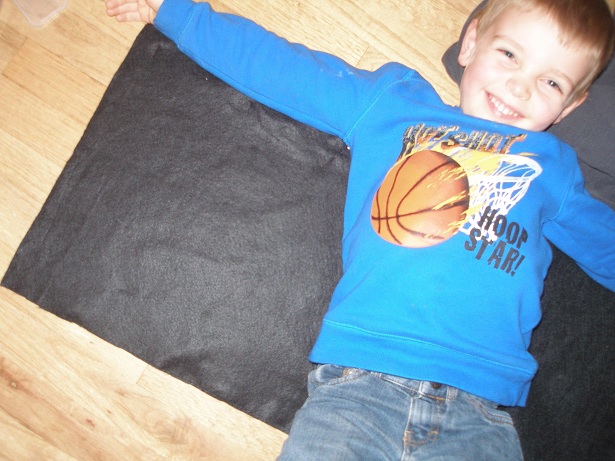
Cut a wing shape using these measurements.  You could mark the felt with chalk, make a paper template, or freehand it (I just eyeballed it).  With the jacket zipped up, pin felt to the arm and side seam of the jacket.  Flip the jacket over and trim away any extra felt.  (I love that this jacket has a reflective patch on the back hem – good for trick-or-treating).
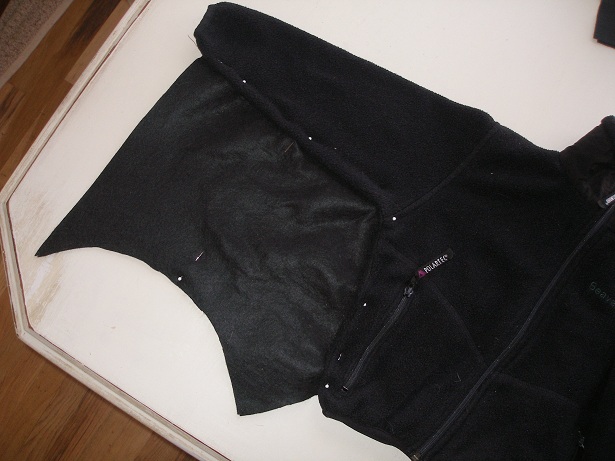
Unpin the felt from the jacket, but keep the pin marking the elbow in place.  You now have one wing that is two pieces of felt.  Use this as a guide to cut another two pieces of felt for the other wing, and mark where the elbow will be on the second wing.

Working with one wing at a time, twist together some pipe cleaners (77 cents for 25).  I used seven for each wing.  Center the… uh, stem(?) of the pipe cleaners at the pin that marked the elbow, between the two layers of felt.  Pin the pipe cleaners in place.
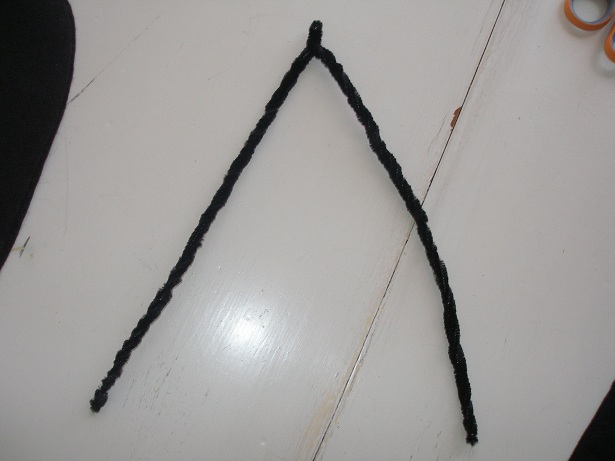
Bend pipe cleaners so that they make lines out to the points of the wings and pin securely between felt pieces.

Top-stitch both pieces of felt together, starting with the outside edges.  Then top-stitch on either side of each pipe cleaner. It might be fun to use contrasting thread so you can see the stitching.  Repeat this on the second wing.

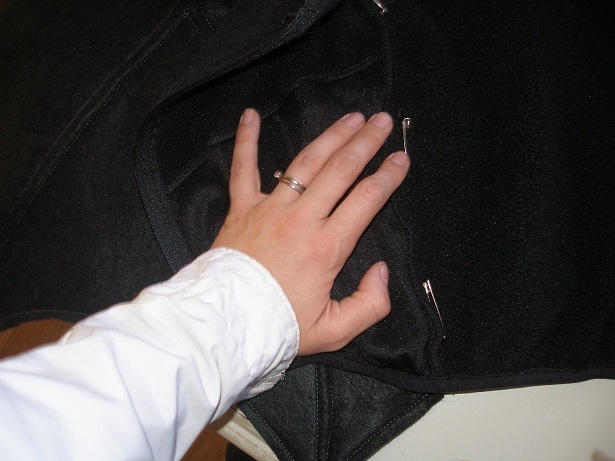
Now you will secure the wings to the jacket.  You could sew them in place, use hot glue, or if you want to reuse the jacket later, use safety pins.  I used safety pins.  I pinned the jacket at the wrist, elbow, armpit, waist and hem.  Then I had Henry try on the jacket, adjusted the wings as needed and added more safety pins.

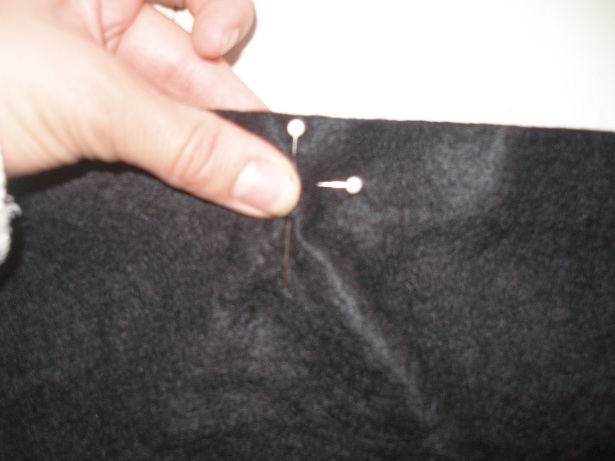
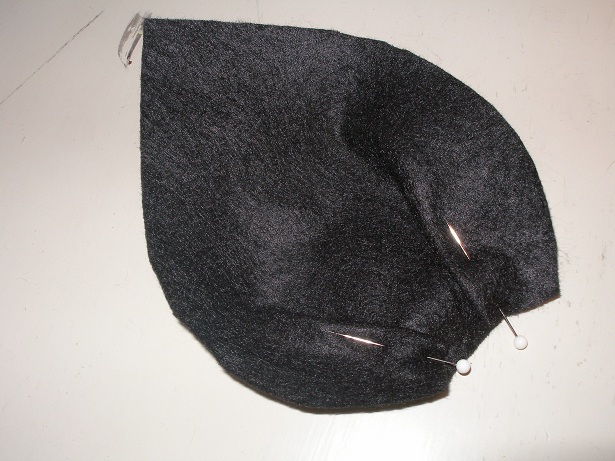
For the bat ears, I cut two pieces of felt in the shape of an ear.  Make sure they are big bat ears, not little cat ears!  You could do double layers of felt, top-stitched together here too, but I was running out of nap time and patience with Emmett, so mine are only one layer thick.  Pin and stitch pleats into each ear.  You might want to experiment with one or two pleats, etc.
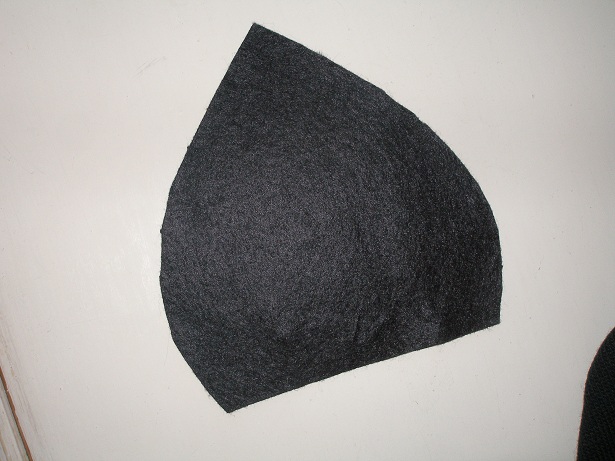
Pin the ears to a black knit hat ($1.50 new).  Flip the hat over a stitch the ears on.  Alternatively, you could hot glue or pin the ears in place.

Ta-da!  A bat costume for $5.84 plus tax.  If you’re keeping tally, that’s $9.53 for two Halloween costumes this year.  If you could find a black hoodie at Goodwill instead of a jacket and a hat, that would save you even more.

When the 31st rolls around, Henry will wear his costume with black pants too.  He loves his costume – just what he wanted.  What are you doing for Halloween?  Do you dress up?  Are you making homemade costumes?  Carving pumpkins?


Note:  Please feel free to share this tutorial on your own blog, just include a link back here!  Thanks!

Categories: DIY, Henry, Thrift | Tags: , , , | 11 Comments

How NOT to Make Cheese – in Pictures

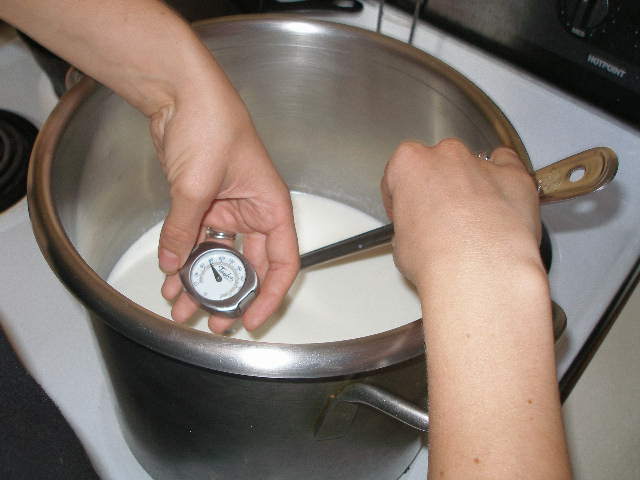
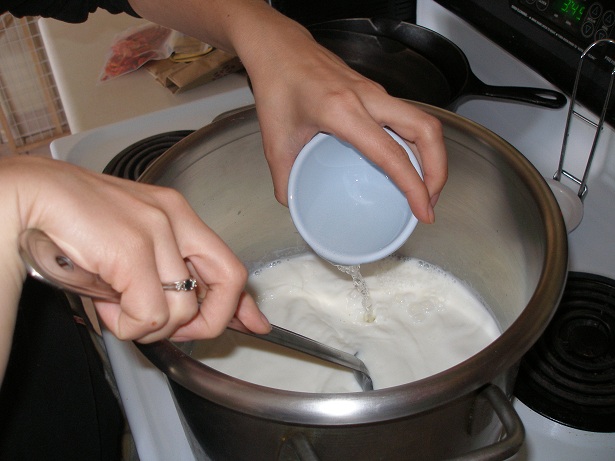
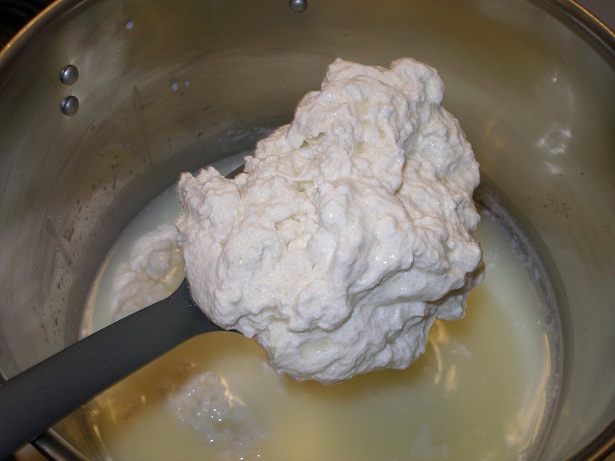
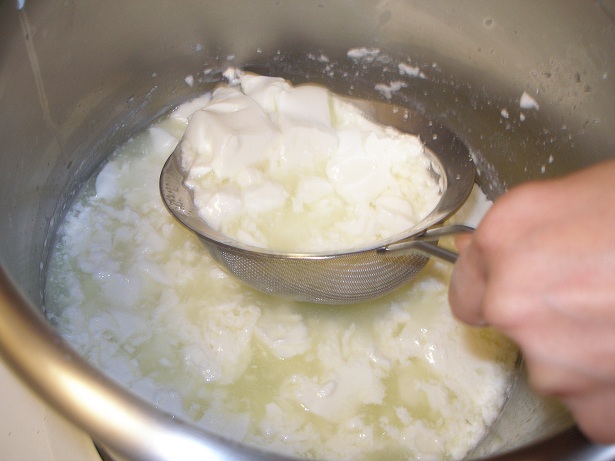
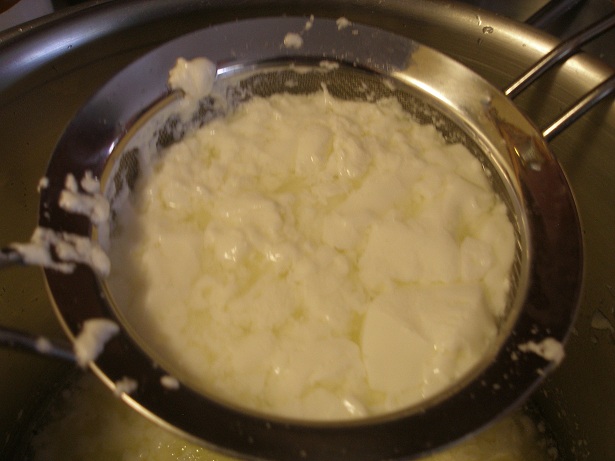
In the last couple of weeks, I have tried and failed twice to make mozzarella cheese in my kitchen.  It’s supposed to be easy.  They say you can do it in 30 minutes with a microwave, or slightly longer without.  Here is a photo journal of my two attempts at cheese making.  The first attempt actually went a bit better than my second.  The pictures of my second try are in the thumbnails.

So without further ado, “How Not to Make Cheese” in pictures.

Step one: bike to local home brew store to buy rennet.  I bought vegetable rennet tablets as that was all they had at the time.  They do stock animal rennet, but were all out.

Step two: back at home, gather supplies including milk that has not been ultrapasturized.

Step three: heat milk to 55 degrees and add citric acid.

Step four: at 88 degrees, add rennet stirring with an up and down motion.

Step five: bring milk up to just over 100 degrees (some say 103 and some say 105).

Step six: Check that the curds and whey have separated.  The whey should not still be milky, and if it is, let it heat a while longer.  Note that the instructions for my first attempt did not include letting the curds and whey sit for 3-5 minutes, then cutting the curds with a knife.  I tried this on my second attempt though.

Step seven: scoop curds out into a bowl.

Step eight: drain as much whey as possible back into the pot.

Step nine: press the cheese into a ball.  Heat the whey and return the curds to the pot to heat.  On my second attempt, the curds were too soft.  I thought I’d try using some cheese cloth to keep them together while they were reheated.  It didn’t work.

Step ten: knead the hot curds.  Reheat as needed.  Eventually the curds will hold together and get elastic.  If they are crumbly, reheat some more.  This is where my second attempt ended, with super hard, dried out curds that would not hold together at all.

Step eleven: admit defeat.  After a hopeful beginning on my first attempt, the curds got all hard and dry and unworkable.  Not sure what went wrong.  On the second try, as I already mentioned, they got to this point MUCH more quickly.

Step twelve: feed the gross hard curds to the chickens along with the whey – they liked it all at least.

After my spectacular double failure, I was planning to give up cheese making completely, but Rick says I need to try again.  If I do, I will try using animal rennet instead.  Anyone have any ideas or suggestions for me on what the heck went wrong??

Categories: 101 in 1001, Canning and Food Preservation, DIY, Food | Tags: , | 9 Comments

Handmade Halloween – Garden Gnome Tutorial

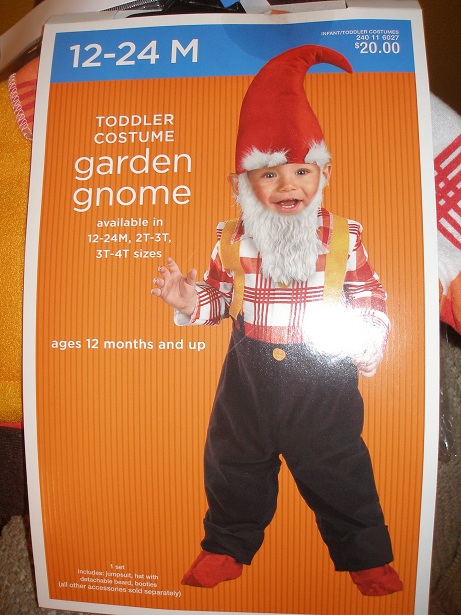
Last year, we found the funniest costume and we really wanted it for Emmett (who has earned the nickname “Angry Elf”).  But we couldn’t find it in Emmett’s size.  This year, Target is carrying the costume – for $20.

Basically these are brown and plaid, super-thin pajamas with a felt hat, fake beard and felt booties.  TWENTY dollars!?!?

So, I tried my hand at making it myself.  Emmett already had hand-me-down green corduroy overalls and a red plaid shirt from Henry, so that part was easy.  Turns out, the rest was easy too.  Click the pictures for a closer view.

I got four pieces of 9×12″ felt for a dollar at Hobby Lobby.  Make that seventy cents – since it was my lucky day and the felt was 30% off.  And a piece of white craft fur for $2.99.

Step one: using two pieces of felt, trace and cut out hat shape.  Make sure to leave a seam allowance and that the brim will fit your babe’s noggin, plus a little wiggle room since the beard will be sewn into the hat.  I had to sew in little extra felt triangles since Emmett needed just slightly more than 18 inches (pictured later).  Trace a beard shape on the back of the craft fur and cut out.  I suggest making the beard at the bottom of the piece fur so that you won’t accidentally cut the hair that hangs down at the bottom too short.

Step two: Cut two eyebrows from scraps of the craft fur.  Trim them to be a bit shaggy and then pin them to the front of the hat.  Sew eyebrows on.

Step three: If you need to add a bit of felt to make the brim fit your little one’s head, sew triangles to the back piece of the hat.  You can see my little triangles already attached where the beard is pinned.  Cut a six to seven-inch piece of thin elastic (I had some of this left over from a earlier project).  Center, pin and sew the elastic to the inside of the back hat piece.  Pin and sew the beard ends to the ends of the elastic.  Note that I sewed them as shown in the picture, but if I had a do-over, I’d turn the beard ends out before sewing them on so they’d lay more naturally when the hat is worn.  Details, people.  ;)

Step four:  Pin the right sides of the hat together, sew and trim up any threads.  Turn right side out.  Voilà!

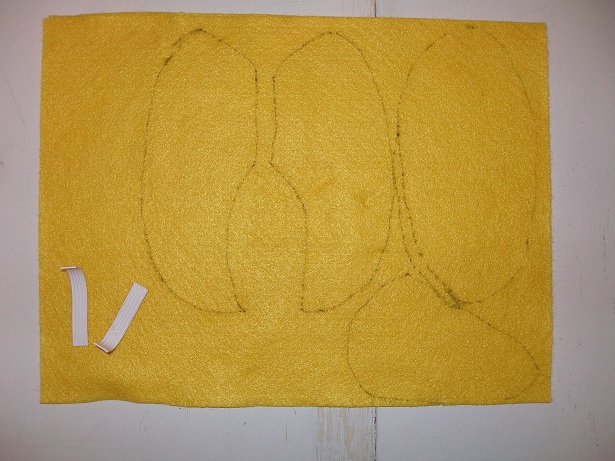
For the shoes, trace and cut a sole, a tongue and two sides of a shoe that will fit your kiddo on two pieces of felt (or on one piece and cut both pieces at the same time).  Give the sides a nice curl, so when it’s put together the toes will curl a little.  Cut two 1.5-2-inch pieces of thin elastic.

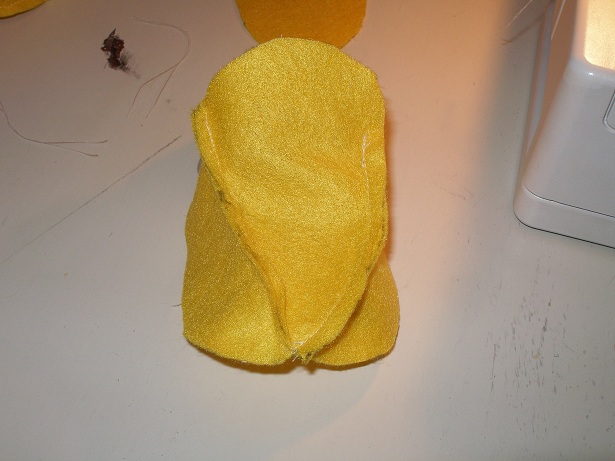
Sew the backs of the shoe sides together, right sides out/wrong sides together.  The seams should be showing on the outside of the shoe.  Next sew the elastic to the inside, centering with the center of the back of the shoe.  Then sew the sides to the tongue, again, wrong sides together.

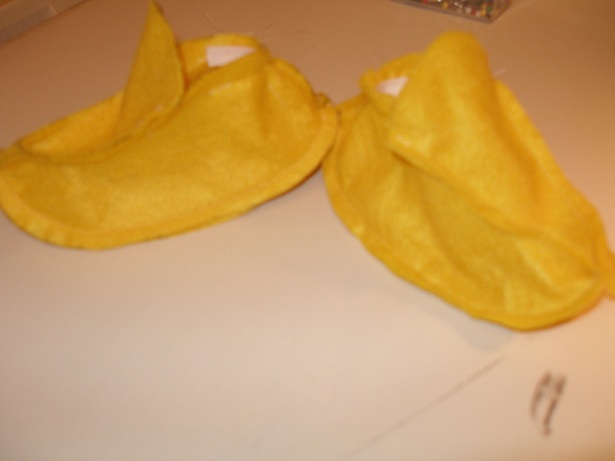
You’ve just made the “upper” of a felt elf shoe.  Although, the story books would usually have it happen the other way around… the old shoemaker would be proud.  At any rate, they should now look like sole-less shoes.  Pin the soles to the upper, again, with the seams showing on the outside.  Sew the soles on.

All done.  Little gnome shoes.  Not the best to use in a house with hardwood floors, unless your gnome can’t walk.  But they will do for one night on the streets, begging for candy and creeping out old people.

Finally, dress the Angry Elf as a happy garden gnome.  And laugh all the way back to Target to return that ridiculously over priced costume.  You just made yours for $3.69 plus tax.

Note:  Please feel free to share this tutorial on your own blog, just include a link back here!  Thanks!

Categories: DIY, Emmett, Thrift | Tags: , , , , | 16 Comments

How to Make Grape Jam – In Pictures

How to Make Grape Jam in Pictures on Punk DomesticsWhen the concord grapes get ripe, we like to make jam!  Here’s how we do it.

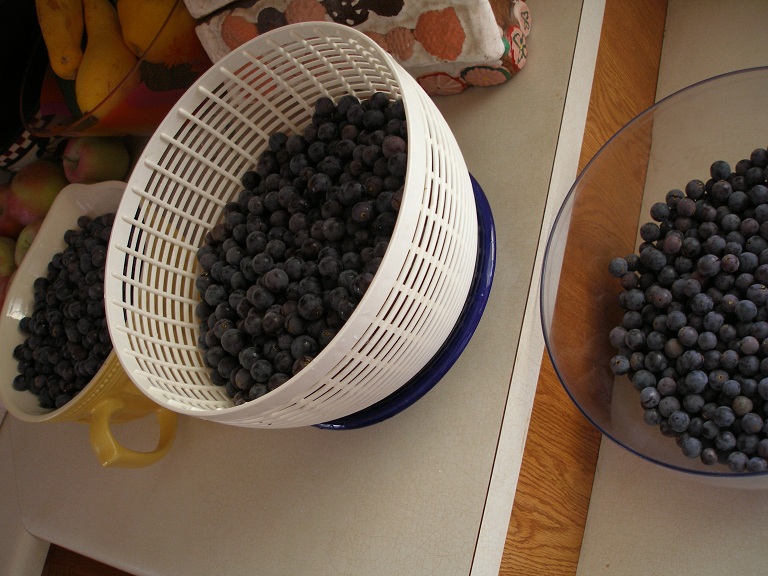
You’ll need two quarts of concord grapes, six cups of sugar, two small saucepans, a strainer, a canning pot and accessories, and three pint jars with lids and bands.

Wash the grapes and measure out two quarts.  In this picture, there are enough for three batches (six quarts).

Next, peel the grapes, putting grapes in one pot and peels in another.  When the grapes are ripe, you can just give them a squeeze and the grapes pop right out of their skins.

Cook the grapes without water and the peels with just a little water in separate pots for ten or fifteen minutes until the peels are soft and the grapes are separated from the seeds.

Combine the peels in a larger pot with sugar (3 cups per quart of grapes).  Strain out the seeds from the pulp, and add the pulp to the sugar mixture.  Bring to a boil until jam reaches the gelling point.  You can test this with a candy thermometer (211° in Denver), a spoon or by putting a plate in the freezer.

Ladle your hot jam into hot jars.  Process pints in a boiling water bath for 15 minutes here in Denver.  Process five minutes less if at sea-level or using half-pint jars.

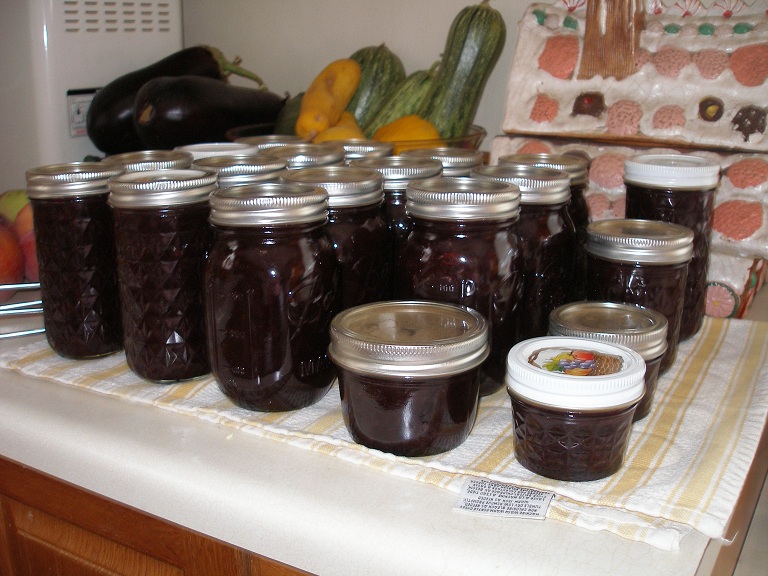
Voilà – Grape jam!

Categories: Canning and Food Preservation, DIY | Tags: , , | 3 Comments

Thrifty Thursday: DIY Car Maintenance

Back in January, Tracy posted a tip about Changing Your Own Oil.  I was a bit bummed because she stole my thunder!  See – I am a ridiculous planner.  When I first joined in on the Thrifty Thursday tips, I wrote out a list of all the things I wanted to write about.  Then I organized the list into categories, and then put the categories in a particular order (like garden stuff and spring cleaning tips in the spring time).  So my DIY category got pushed back to May/June, and Tracy beat me to the punch on the oil changes.  She did a great post, so I won’t reiterate how to change your own oil here.  But I will add that if you are using conventional oil instead of synthetic, your costs are quite a bit less than what she had posted.  Also, depending on the area of the country you live in. 

BUT  I do have a couple other car maintenance tips up my sleeves (after all, my dad was a master technician for Nissan, and I grew up helping him in the garage).  The tips below are very basic and easy, and don’t require a jack to lift your car. 

First – Change your own Air Filter.  It’s amazing how dirty these things get, and how simple they are to change… especially considering what most shops want to charge you for doing it. 

Air filters run anywhere from $12-20 depending on your car.  Go to the auto parts store and look up which kind of filter to buy for your make, model and year of your car.  If you’ve never looked in one of those auto parts books they have there, you can ask the person at the counter for help, and they’ll show you how to use it (it’s worth it to ask, since this is also how you figure out what kind of oil filter and all kinds of other parts you may need one day if you do your own car maintenance).  Anyway, back to the air filter:

-Clean air filter in hand, open up the hood of your car. 
-Locate the air filter (it usually is near the top of your engine and is either rectangular or circular with a wing nut or latches hold the cover closed).
-Open the cover and remove the old air filter.
-Insert the new filter and close the cover. 
-Congrats!  You’re done!

Next – Check your Fluids.  This includes brake fluid, washer fluid, oil, coolant, transmission fluid (if you have an automatic). 

Most of these should be checked on a hot engine.  So drive to the auto parts store, shut off your car, and check it in their lot (or next time you fill up that other  fluid, gasoline, check it then so you know if you even need to make the trip). 

Once you look at the levels of fluid in each reservoir and determine what you need, go to the store, get it, and fill it up!   If you are low on oil, be sure that you are watchful for a leak.  Your car should not be burning up or leaking oil.  Sometimes a leak is easy to fix (maybe the filter was on too tight or not tight enough from your last oil change), but other things can cause it too. 

I might post a few more car tips next week, depending.  I wanted to include pictures with all of this, but Rick keeps taking the 4Runner to work, so I can’t get the pictures!  BUT if I get a chance, I’ll update this post with some ASAP.  :)

Other things I’ve done myself include changing a serpentine belt, changing front brake pads (this was hard only because I lacked enough upper body strength to pull the pads apart by myself), changing the jets in a carburetor, and helping a friend with her alternator.  They all require more explanation, and more confidence than I have in my abilities to share a how-to.  :)   But there are lots of good books and tutorials out there!  Rick even found a tutorial online to swap out our broken antenna on the 4Runner.  If I can do it, so can you!

Check out Genny, Tracy & Katie Jean‘s blogs for more tips this week.

Categories: DIY, Thrift | Tags: | Leave a comment

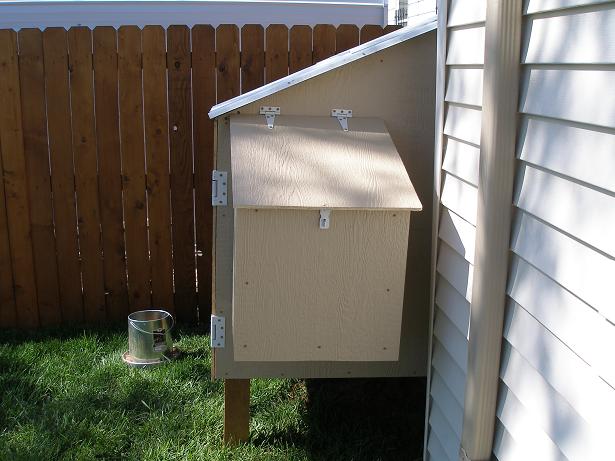
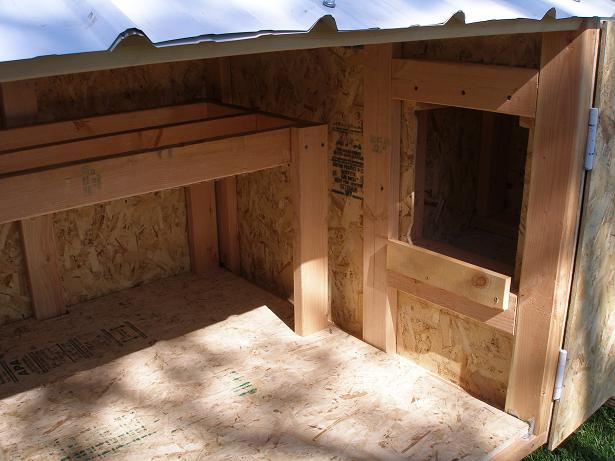
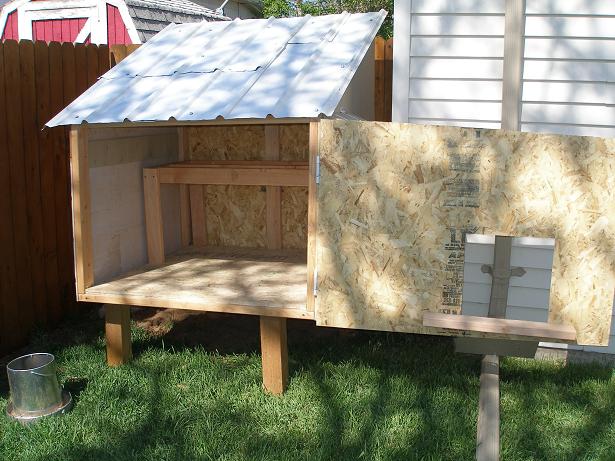
Coop Construction!

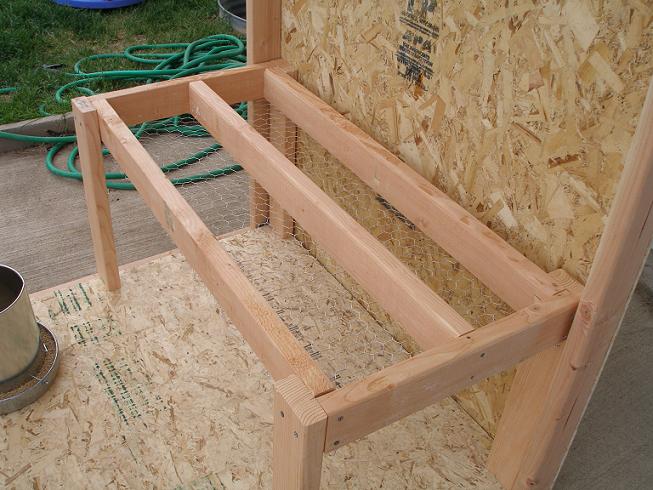
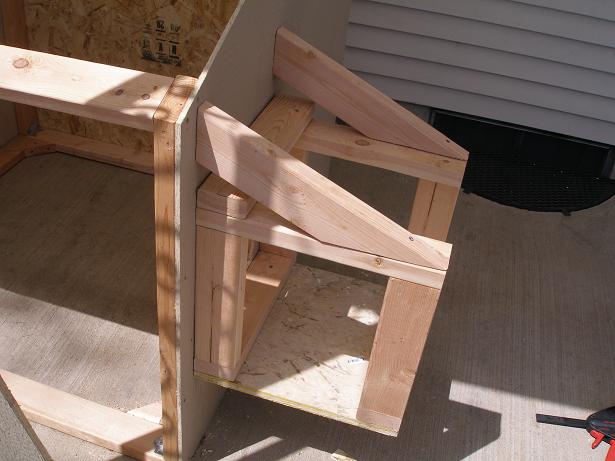
Well, it’s almost 100% complete!  Below are a few pictures of the process:

roost.jpg      nest-box-beginnings.jpg      nest-box-hung.jpg     coop-nest-with-siding.jpg     

The Finished Nest Box      Nest Roof for Egg Access      Coop on Legs     Inside Nest Box View      

Inside Roost View      Coop Open

Still to do:  Build the fenced-in run with gate, install coop window, add the ramp for the chicken door, and add just a little charm (paint, maybe an old tin “fresh eggs” sign, etc.).

Many, many thanks go to our awesome neighbor, Doug.  He gave us some old tin from his garage for the roof and a left over piece of plywood when we came up short!  Yay!!!  Thanks Doug!  You saved us a bundle!!

Categories: Chickens, DIY, Garden, Urban Homesteading | Tags: | 6 Comments

Blog at WordPress.com. Theme: Adventure Journal by Contexture International.

Follow

Get every new post delivered to your Inbox.

Join 544 other followers

%d bloggers like this: